
Mouse Mania: Souris in Pop Culture
Authored by rosecasinos.net, 24/12/2025
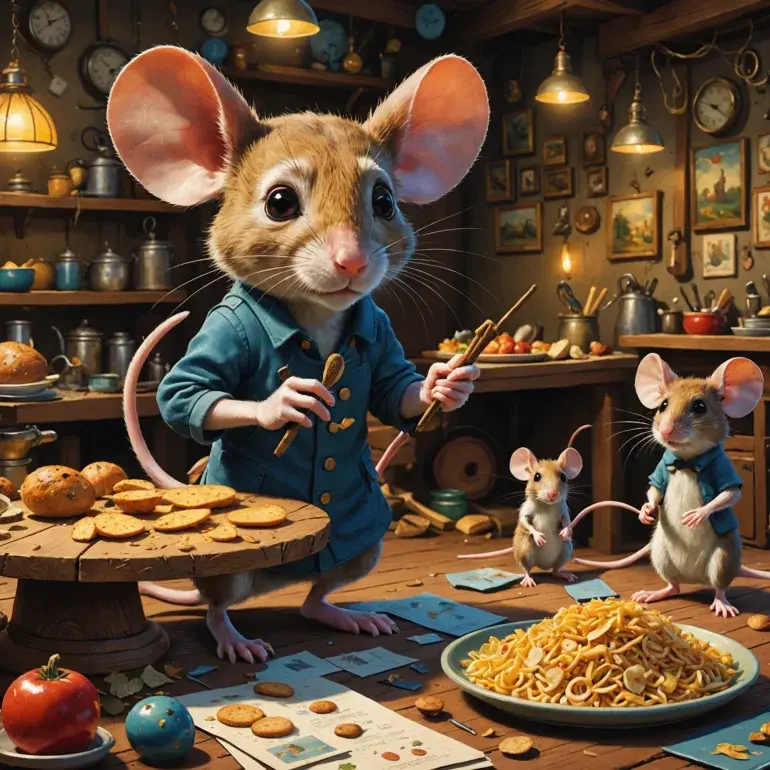
Have you ever stopped to wonder why the humble souris—those tiny, twitchy creatures we often overlook—have made such a colossal leap from the shadows of our walls into the bright lights of cartoons, folklore, and beyond? Mice, despite their small stature, wield an outsized influence in storytelling, symbolism, and even the way we perceive the world around us. From the squeaky sidekick who wins hearts in animated classics to the cunning trickster in age-old legends, mouse imagery has a magnetic charm that continues to captivate audiences worldwide.
Why Are Mice So Endearing Yet Elusive in Popular Imagination?
It’s fascinating how mice occupy a curious space in human culture. On the one hand, they’re often seen as pests—scurrying through the corners, uninvited guests at our tables. On the other, they’ve become beloved icons of innocence, cleverness, and survival. This duality creates a rich tapestry of meaning that artists and storytellers have mined for centuries. But what exactly makes souris such compelling characters, and how did they become fixtures in everything from children’s cartoons to the cryptic whispers of folklore? live betting line
Imagine tuning into a game where the odds constantly shift and strategies evolve in real time—much like the unpredictability of live betting line dynamics in sports. Similarly, the mouse’s role in narratives often shifts, adapting to cultural attitudes and storytelling needs. This fluidity in representation is part of what makes mouse imagery so versatile and enduring. They can be heroes or villains, shy or bold, simple or deeply symbolic. Their tiny frames carry stories that resonate across generations, making them a perfect lens through which to explore human nature and society.
A Journey Through Mouse-Inspired Characters: From Animation to Ancient Myths
Let’s embark on a journey tracing the souris footprints across various forms of pop culture. We’ll dive into the animated realms where mice like Mickey and Jerry have become household names, dissect the symbolic use of mouse imagery in folklore, and uncover the surprising ways these creatures mirror our own traits and fears.
Whether you’re a fan of classic cartoons or intrigued by the deeper meanings behind cultural symbols, this exploration promises to shed light on why souris continue to inspire and enchant. Stay tuned as we unravel the tales behind those tiny paws that have left such a giant imprint on our imaginations.
Mouse Mania: The Role of Souris (Mice) in Pop Culture
Why Are Souris (Mice) So Prominent in Cartoons and Folklore?
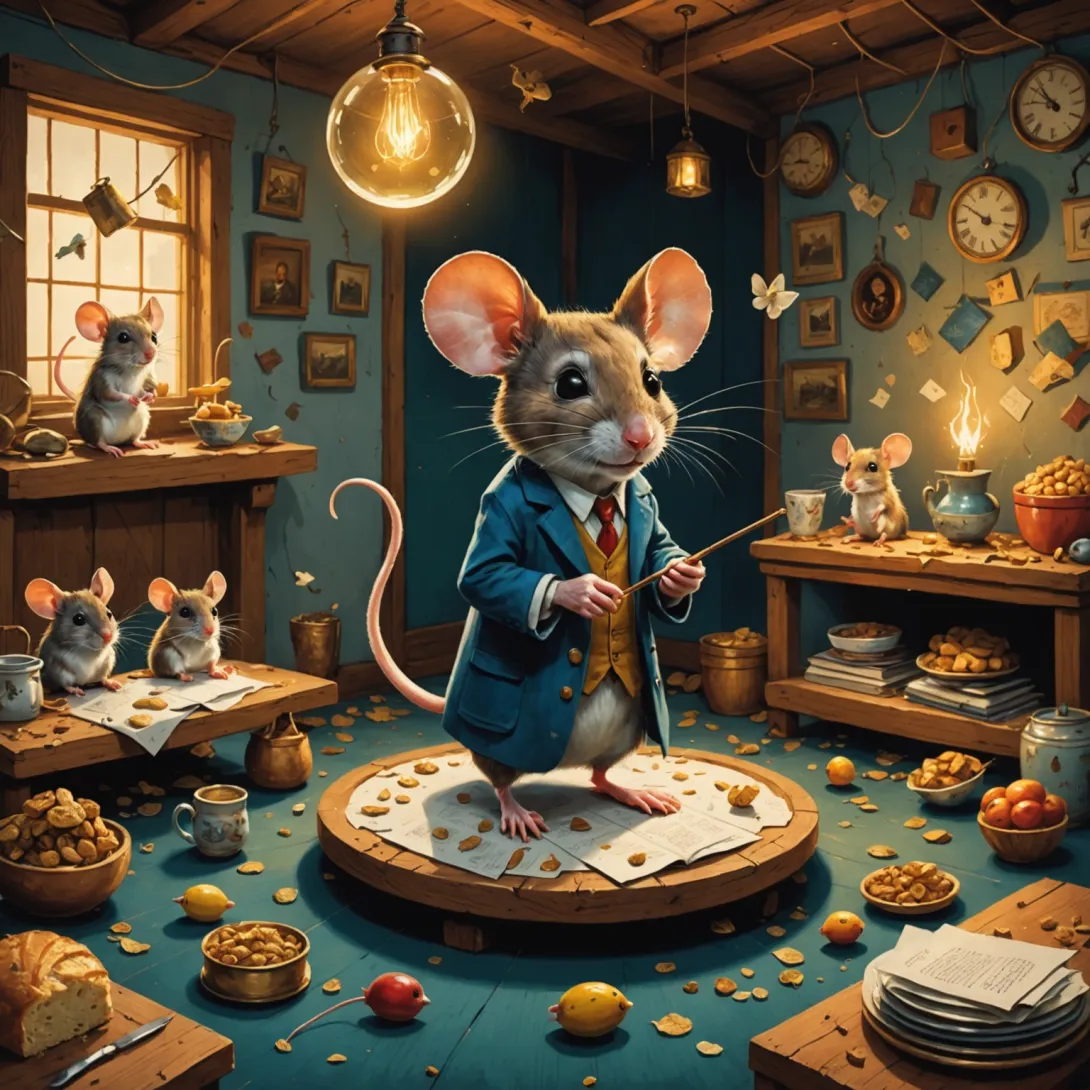
The representation of souris, or mice, in popular culture is deeply rooted in human history and psyche. Mice are often seen as symbols of cleverness, adaptability, and sometimes vulnerability, making them ideal characters for storytelling across various media. Their small size and nimble nature allow for creative narratives that resonate with audiences of all ages.
From folklore to cartoons, souris have been anthropomorphized to reflect human traits, fears, and values. This cultural phenomenon stems from centuries of human interaction with mice, both as pests and as creatures worthy of fascination. The duality of mice being both nuisances and endearing characters feeds into their rich symbolic use in pop culture.
The Evolution of Mouse Imagery in Cartoons
Mouse imagery has evolved significantly over the decades, particularly in animation. Iconic characters like Mickey Mouse, Jerry from "Tom and Jerry," and Stuart Little demonstrate how souris have been transformed into beloved cultural icons. These characters often embody traits like cleverness, resilience, and kindness, which help audiences connect emotionally.
According to a 2021 study by the Animation Guild, mouse characters rank among the top 5 most recognizable animated figures worldwide. This popularity is attributed to their universal appeal and the simplicity of their design, which makes them versatile for various storytelling styles.
- Mickey Mouse: The pioneer of mouse imagery in animation, symbolizing optimism and creativity.
- Jerry Mouse: Embodies wit and resourcefulness, often outsmarting larger adversaries.
- Stuart Little: Highlights themes of family and belonging despite physical smallness.
Folklore and Mythology: The Symbolism of Souris
In folklore across different cultures, souris represent more than just small rodents; they often symbolize fertility, prosperity, and cunning. For example, in Chinese mythology, the mouse is one of the twelve zodiac animals, representing cleverness and quick thinking. European folklore sometimes portrays mice as mischievous but helpful creatures, such as in the tale of the "Town Mouse and Country Mouse," which teaches lessons about lifestyle choices and social status.
Mouse imagery in folklore often serves to bridge the human world with nature, highlighting traits we admire or caution against. The frequent use of souris in folktales underscores their role as narrative devices to convey moral lessons and cultural values.
How Mouse Imagery Influences Modern Pop Culture
The impact of mouse imagery extends beyond cartoons and folklore into fashion, advertising, and even digital media. Brands leverage the friendly and approachable connotations of souris to create memorable mascots and logos. For example, the global success of Disney's mouse characters has influenced merchandise, theme parks, and immersive experiences, contributing billions of dollars to the entertainment economy.
Moreover, the symbolic use of mice in video games and literature often explores themes of survival, intelligence, and underdog triumph, resonating with a wide demographic. This continued relevance highlights the enduring power of mouse imagery to inspire and engage audiences.
What Makes Souris Characters So Relatable?
Souris characters are relatable because they embody vulnerability while showcasing remarkable traits like courage and intelligence. Their small stature often places them in David-versus-Goliath scenarios, which are compelling narratives that many find inspiring. This dynamic encourages empathy and admiration from viewers.
- Size and Vulnerability: Encourages audience empathy and rooting for the underdog.
- Resourcefulness: Demonstrates how intelligence and creativity can overcome obstacles.
- Anthropomorphism: Human-like qualities make characters more relatable and memorable.
Conclusion: The Enduring Legacy of Souris in Pop Culture
In summary, souris have inspired a rich tapestry of characters in cartoons and folklore due to their symbolic versatility and deep cultural resonance. Mouse imagery taps into universal themes of resilience, intelligence, and the triumph of the small over the mighty, making these characters timeless and beloved.
Understanding the multifaceted role of mice in pop culture not only enriches our appreciation for these characters but also provides insight into how storytelling evolves with cultural symbolism. Whether in ancient myths or modern animation, souris continue to captivate and inspire audiences worldwide.