
Mushroom Art: Fungi in Creative Expression
Authored by rosecasinos.net, 24/12/2025
Unearthing the Charm of Mushroom Drawing
Have you ever paused to admire the quiet elegance of a mushroom popping up after a gentle rain? These unassuming fungi have long been overlooked in the world of art and design, often relegated to the sidelines of botanical illustration or fantasy lore. Yet, there's a growing wave of artists and designers who see mushrooms not just as natural curiosities but as muses capable of sparking whimsical and earthy creativity. Mushroom drawing, once a niche interest, is now blossoming into a vibrant form of fungi art that blends nature’s mystery with human imagination.
Despite their fascinating forms and textures, mushrooms have historically been underrepresented in mainstream art. This scarcity leaves a creative void for those who crave designs that feel both organic and fantastical. As we navigate a world saturated with digital and urban aesthetics, the desire to reconnect with nature’s subtle wonders intensifies. How do artists capture the essence of such ephemeral organisms? What makes mushroom art resonate so deeply with audiences seeking authenticity and playfulness?
The Rise of Fungi Art in Contemporary Design
As the art world embraces diversity and sustainability, fungi art has emerged as a compelling trend. But it’s not just artists who find inspiration in these spore-bearers; graphic designers, fashion creators, and even home decorators are incorporating mushroom drawings into their work. This rise is partly fueled by a cultural shift toward eco-consciousness and a fascination with the strange, otherworldly beauty of mushrooms. Interesting enough, this trend even parallels the unpredictable excitement of live ipl betting, where the unexpected outcomes keep fans engaged—similarly, fungi art surprises with its blend of familiar earthiness and whimsical fantasy.
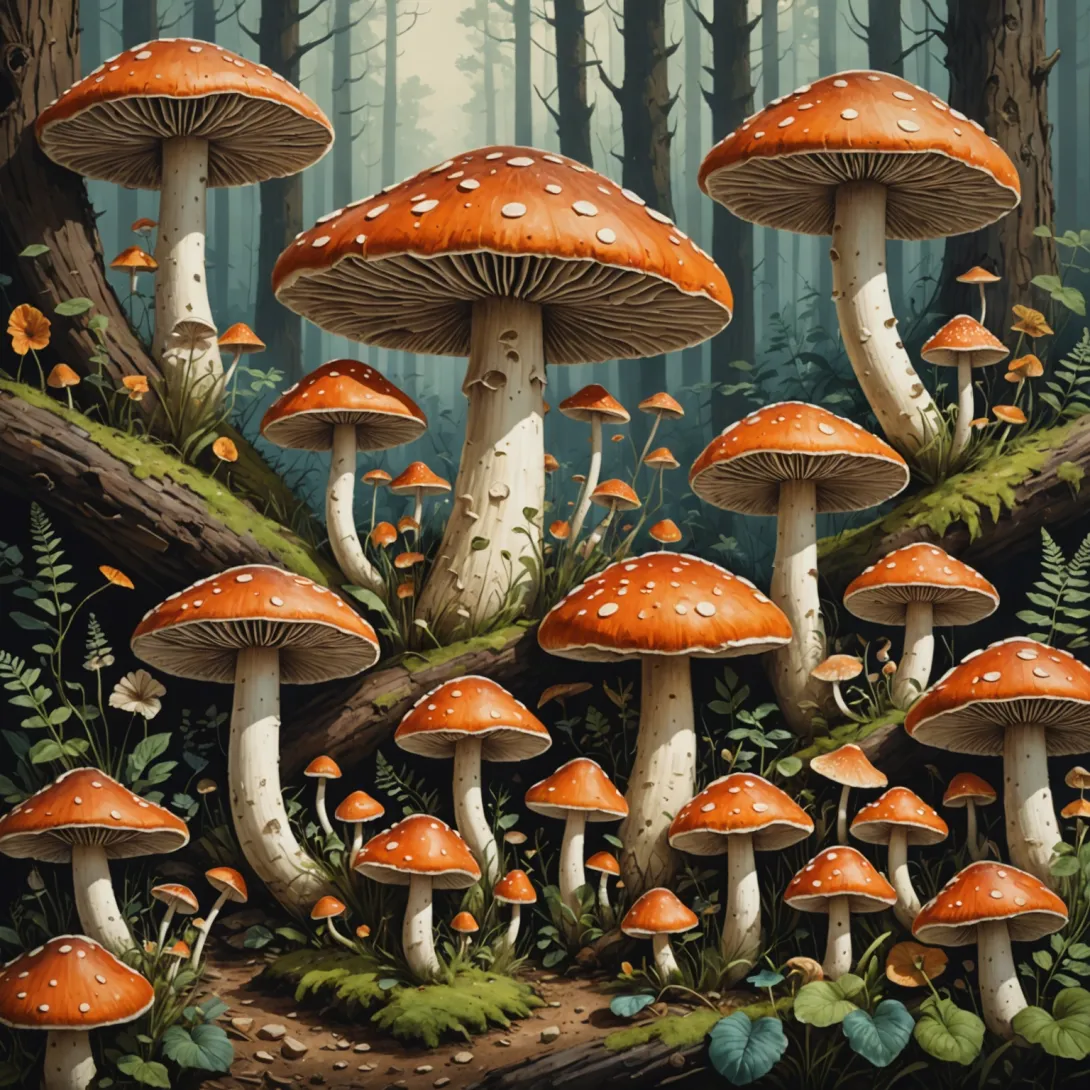
What sets mushroom art apart is its ability to evoke a feeling of enchantment while remaining grounded in natural forms. Artists often highlight the delicate gills, textured caps, and curious growth patterns in their mushroom drawings, creating pieces that feel both scientific and surreal. This duality attracts a wide audience—from nature lovers to fantasy enthusiasts—and fosters a community passionate about exploring this unique artistic niche.
Why Does Mushroom Drawing Matter Today?
In a fast-paced world where digital overload is the norm, mushroom drawing offers a refreshing pause. It invites us to slow down, observe, and appreciate the tiny ecosystems thriving beneath our feet. Beyond aesthetics, fungi art connects us to ecological narratives about decomposition, regeneration, and symbiosis. For many, engaging with mushroom art becomes a meditative practice, a way to reconnect with the earth’s cycles and rhythms.
Moreover, as environmental concerns grow, mushroom art serves as a gentle reminder of nature’s resilience and fragility. By celebrating these often-misunderstood organisms, artists challenge viewers to reconsider their relationship with the natural world, inspiring both wonder and responsibility.
Mushroom Art: Exploring Fungi in Creative Expression and Design Trends
What is Mushroom Art and Why Has It Gained Popularity?
Mushroom art refers to the creative depiction of mushrooms and fungi through various artistic mediums, including mushroom drawing, painting, digital illustration, and sculpture. This niche form of fungi art has surged in popularity due to increasing public fascination with nature, sustainability, and the whimsical qualities mushrooms embody. Their unique shapes, textures, and vibrant colors make mushrooms an appealing subject for artists seeking to merge natural elements with imaginative designs.
The rising interest in mushroom art is also connected to broader cultural trends such as the slow-living movement and a renewed appreciation for the outdoors. According to a 2023 report by the Art Market Research Institute, nature-inspired art sales have grown by 18% annually over the past five years, with fungi-themed pieces representing a significant share of this growth. Mushroom drawings, in particular, have become a favorite among illustrators and designers who want to inject an earthy, organic feel into their work.
What Are Common Techniques and Styles in Mushroom Drawing and Fungi Art?
Artists working with mushroom art employ a variety of techniques depending on their medium and artistic intent. Common approaches include:
- Line Drawing and Ink Illustrations: Clean, detailed mushroom drawings often use fine lines to capture the intricate gill patterns and delicate structures of fungi.
- Watercolor and Gouache: These mediums allow for soft, translucent washes that mimic the natural gradients and subtle hues found in mushroom caps and stems.
- Digital Art: Digital fungi art leverages layering and texturing tools to create hyper-realistic or stylized mushroom imagery that can be easily adapted for commercial uses like branding or apparel.
- Mixed Media and Collage: Combining natural materials such as dried mushrooms or leaves with paint and paper adds tactile depth to fungi art, enhancing its earthy appeal.
Each style contributes differently to the whimsical or earthy aesthetic that mushroom art embodies, allowing artists to tailor their work for audiences ranging from fine art collectors to graphic design clients.
How Does Mushroom Art Inspire Whimsical and Earthy Design Trends?
Mushroom art has become a significant influence in contemporary design trends by blending fantasy-inspired imagery with grounded, natural elements. This fusion results in creations that feel both magical and connected to the earth, resonating with consumers seeking authenticity and escapism.
Several key design trends inspired by mushroom drawings and fungi art include:
- Botanical Pattern Design: Mushrooms are featured prominently in repeating textile and wallpaper patterns that evoke forest floors and woodland realms.
- Eco-Friendly Branding: Companies in wellness, organic foods, and sustainable fashion incorporate mushroom art into logos and packaging to signal environmental consciousness.
- Whimsical Illustration in Children’s Books and Media: The playful shapes of mushrooms lend themselves to storytelling visuals that captivate young audiences.
- Home Decor and Ceramics: Mushroom motifs appear in handmade pottery, wall art, and furniture design, reinforcing a rustic, earthy vibe.
This trend is supported by consumer data; a 2022 survey by Design Trends Quarterly found that 47% of shoppers prefer products featuring natural motifs, with fungi-based designs scoring highly for their uniqueness and charm.
What Are Some Notable Examples and Artists in the Field of Fungi Art?
Several contemporary artists have gained recognition for their mushroom drawings and fungi art, influencing both the art community and commercial design sectors:
- Jing Wei: Known for her delicate mushroom illustrations that blend scientific accuracy with artistic fluidity.
- Paul Stamets: A mycologist who also creates educational fungi art to promote awareness of mushrooms’ ecological importance.
- Camilla Engman: Swedish artist whose whimsical mushroom motifs have been featured in gallery exhibitions and fashion collaborations.
Moreover, large-scale public art installations incorporating mushroom imagery have engaged communities in environmental discussions, further elevating the cultural relevance of mushroom art.
How Can Beginners Start Creating Their Own Mushroom Drawings and Fungi Art?
For those inspired to try mushroom art, starting with basic mushroom drawing techniques is an accessible entry point. Tips for beginners include:
- Study Real Mushrooms: Observing real specimens or high-quality photographs helps capture authentic shapes and textures.
- Practice Basic Shapes: Mushrooms often have simple geometric forms—caps as circles or ovals, stems as cylinders—to sketch foundational outlines.
- Experiment with Shading: Adding light and shadow brings dimension to drawings and highlights the fungi’s three-dimensional qualities.
- Explore Different Mediums: Try pencil, ink, or watercolor to discover which best suits your style and desired effects.
Joining online art communities or attending workshops focused on botanical or fungi art can also provide valuable feedback and inspiration.
What Is the Cultural and Ecological Significance Behind Mushroom Art?
Mushroom art often carries deeper meanings beyond aesthetics. Culturally, mushrooms symbolize transformation, mystery, and the interconnectedness of life due to their role in decomposing organic matter and supporting ecosystems. Ecologically, fungi are vital for soil health and biodiversity, making their artistic depiction a nod to environmental stewardship.
By integrating mushroom art into creative expression, artists and designers raise awareness about fungi’s importance and encourage a more mindful relationship with nature. This is why mushroom drawings and fungi art are not only visually appealing but also socially and environmentally meaningful.