
Bambi’s Timeless Tale: Innocence and Loss
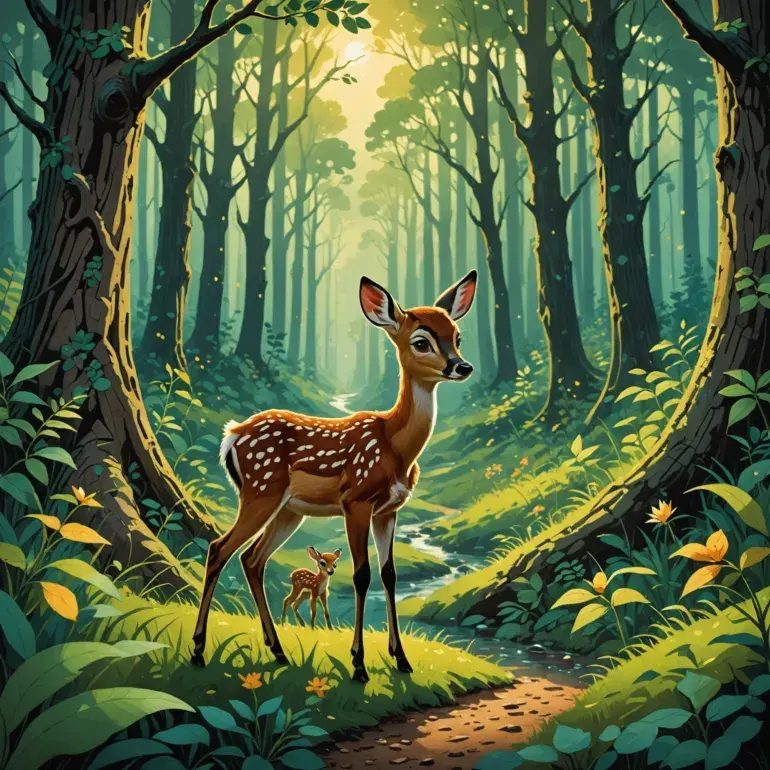
Authored by rosecasinos.net, 24/12/2025
Why Bambi Still Captivates Hearts Across Generations
From the moment Bambi took his first hesitant steps through the quiet forest, viewers were drawn into a world both enchanting and fragile. This isn’t just a story about a young deer growing up; it’s a profound narrative woven with themes of innocence, survival, and the bittersweet passage from childhood to adulthood. As one of the most cherished animated classics, Bambi stands as a shining example of nature narratives that resonate deeply, transcending decades and cultural boundaries. But what makes this seemingly simple tale so enduringly powerful?
In today’s fast-paced, digitally saturated world, reconnecting with stories that emphasize the delicate balance of nature and the harsh realities of survival can be surprisingly rare. Yet, Bambi draws us back into that space, reminding us of vulnerability and resilience in equal measure. These timeless themes echo through countless retellings and adaptations, but the original story’s emotional impact remains unmatched. For many, it’s not just a childhood memory—it’s a lens through which we understand the natural world and, by extension, ourselves.
Interestingly, the way stories like Bambi teach us about the unpredictability of life can mirror lessons in other areas, such as strategic thinking and risk management. For example, if you’re curious about practical strategies outside the forest—like how to win basketball bets—there are surprisingly relevant parallels in understanding patterns, timing, and calculated risks. You can explore more on this topic how to win basketball bets, which showcases how awareness and patience, much like Bambi’s own journey, are key to success.
Exploring the Depths of Innocence and Loss in Animated Classics
At its core, Bambi is a meditation on innocence lost and the harsh truths that come with growing up. Unlike many animated classics that focus on fairy-tale endings, Bambi confronts its audience with moments of profound sadness and vulnerability. The narrative doesn’t shy away from depicting the dangers lurking in the forest—threats that symbolize the inevitable challenges life throws at us all.
This nuanced storytelling invites viewers, young and old alike, to grapple with emotions that are often difficult to express. It’s why Bambi remains a staple in nature narratives: it offers a delicate balance between the beauty of the wild and the stark realities of survival. The film’s artistry goes beyond animation; it’s a carefully crafted emotional experience that encourages empathy, reflection, and an appreciation for the cycles of life.
What Sets Bambi Apart From Other Nature Narratives?
- Emotional Authenticity: The portrayal of loss and growth feels genuine, not sugar-coated.
- Visual Poetry: Each frame is a masterpiece that captures the forest’s beauty and danger.
- Universal Themes: It speaks to the child in all of us while addressing adult realities.
- Subtle Complexity: The story operates on multiple levels—entertaining children and provoking thoughtful adults.
These qualities ensure that Bambi doesn’t just entertain—it educates and inspires, making it a pivotal entry in the canon of animated classics that explore humanity’s relationship with nature.
Why This Story Matters More Than Ever
In a time when environmental issues dominate global conversations, Bambi serves as a gentle yet powerful reminder of the fragility of ecosystems and the impact of human actions. Beyond its narrative charm, the film calls attention to the urgent need for conservation and respect for wildlife. Watching Bambi’s journey encourages a sense of stewardship and a personal connection to the natural world.
Moreover, the story’s exploration of loss and resilience resonates on a deeply human level. It speaks to anyone who has faced change, grief, or the daunting path to maturity. The lessons embedded in Bambi are timeless, offering comfort and insight regardless of age or background.
So whether you’re revisiting this animated classic from childhood or encountering it anew, Bambi’s tale continues to teach us about the tender balance between innocence and experience, the beauty of nature’s cycles, and the courage required to survive and thrive. This article will dive deeper into these themes, examining the cultural significance of Bambi and why its story remains a vital piece of nature narratives today.
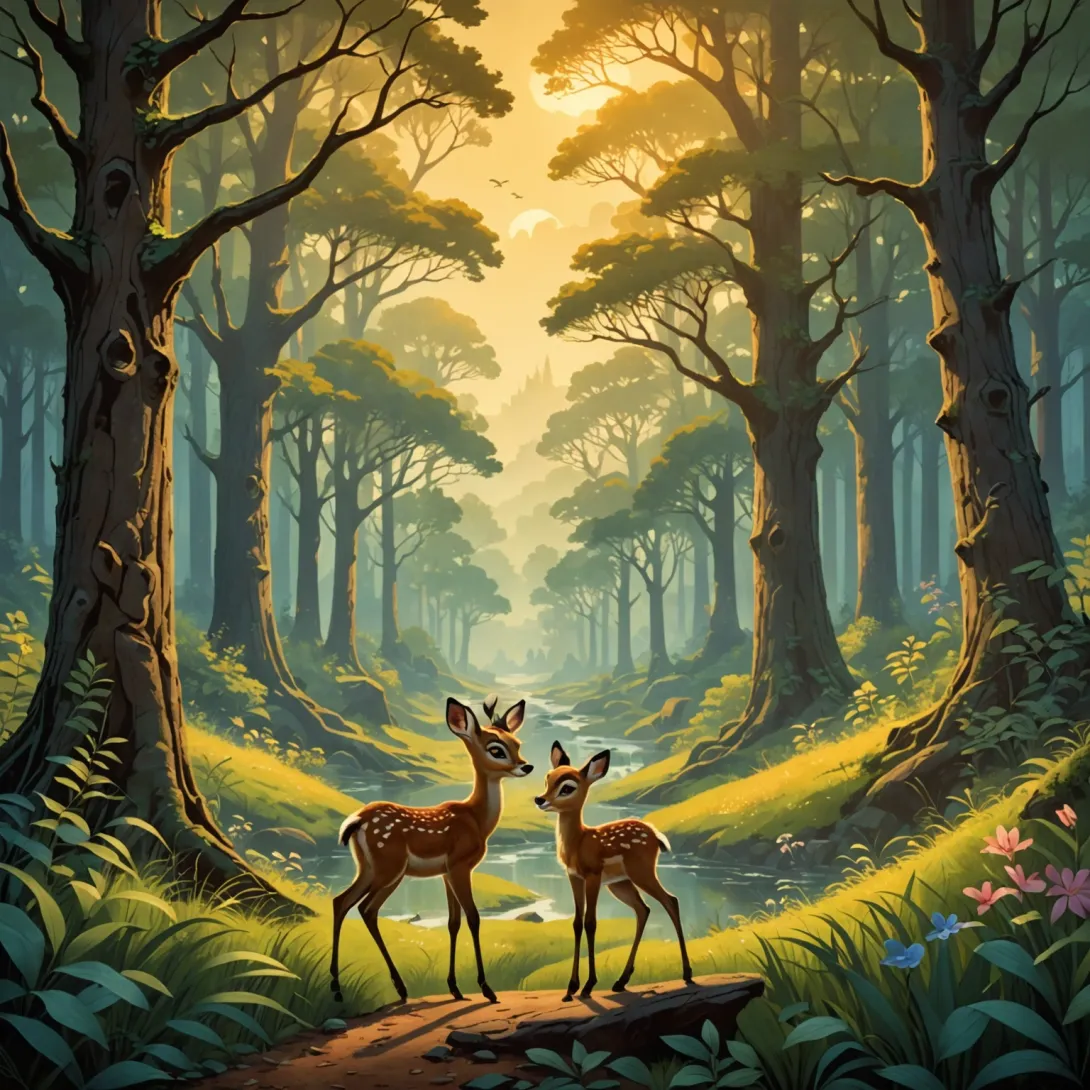
Bambi’s Timeless Tale: Innocence and Loss in Animated Classics
Why Does Bambi’s Story Continue to Resonate Across Generations?
Bambi, one of the most beloved animated classics produced by Disney in 1942, remains a profound narrative that captures the delicate balance between innocence and loss. The film’s enduring appeal lies in its universal themes rooted in nature narratives—depicting the beauty and harsh realities of the natural world. Through the eyes of a young deer, audiences witness the journey from naïve youth to mature survival, a story that transcends time and culture.
The reason Bambi’s story continues to resonate is because it reflects fundamental human experiences: the joys of discovery, the pain of loss, and the resilience required to navigate life’s challenges. These themes are timeless and relatable, making Bambi not just an animated classic but a meaningful nature narrative that educates and emotionally connects viewers.
What Themes Does Bambi Explore About Nature and Survival?
Bambi’s narrative is deeply intertwined with the cycles of nature and survival instincts. Key themes include:
- Innocence and Growth: The film portrays Bambi’s early life filled with wonder and discovery, emphasizing the innocence of youth in a natural setting.
- Loss and Grief: One of the most impactful moments is the loss of Bambi’s mother, a poignant scene that introduces children and adults alike to the concept of mortality and the emotional process of grieving.
- Adaptation and Resilience: Bambi’s journey illustrates how animals—and by metaphor, humans—must adapt to threats like predators and environmental changes to survive.
These themes are presented with a respectful realism, avoiding overly simplistic or sanitized portrayals, which is why Bambi is often cited as a powerful nature narrative that teaches empathy and respect for the environment.
How Has Bambi Influenced the Genre of Animated Classics and Nature Narratives?
Bambi set a precedent for how animated classics could approach serious themes within a family-friendly framework. Prior to Bambi, many animated films leaned heavily towards slapstick comedy or fairy tales. Bambi demonstrated that animation could be a vehicle for emotional depth and environmental education.
Subsequent animated classics have drawn inspiration from Bambi’s approach to storytelling, incorporating natural settings and life lessons about the environment and survival. For example:
- The Lion King (1994): Explores themes of loss, responsibility, and the circle of life within an African savanna setting.
- Finding Nemo (2003): Highlights survival and parental love within an underwater ecosystem.
- Princess Mononoke (1997): A Japanese animated film that deeply explores man’s relationship with nature and the consequences of environmental destruction.
These films, like Bambi, use nature narratives to communicate complex emotional and ecological messages, proving the lasting influence of Bambi on the animation industry.
What Makes Bambi a Valuable Educational Tool for Understanding Nature?
Bambi serves as an excellent educational resource because it combines storytelling with factual representations of animal behavior and ecosystem dynamics. Its value lies in:
- Promoting Environmental Awareness: By showcasing the forest’s beauty and dangers, Bambi encourages viewers to appreciate and protect natural habitats.
- Teaching Emotional Intelligence: The film sensitively addresses grief and growth, helping children understand and process difficult emotions.
- Encouraging Compassion for Wildlife: Through anthropomorphized animal characters, it fosters empathy towards animals and highlights the importance of coexistence.
Educators and parents often use Bambi to introduce children to the concepts of conservation and emotional resilience, making it a timeless tool for learning about the natural world and life’s challenges.
How Can Audiences Today Engage with Bambi’s Story Meaningfully?
To fully appreciate Bambi’s timeless tale, viewers can:
- Watch with Context: Understanding the historical background of the film’s production during the early 1940s adds depth to its message.
- Explore Nature: Supplement the viewing experience by spending time in natural environments to observe wildlife and ecosystems firsthand.
- Discuss Themes: Engage in conversations about the emotions and ecological lessons portrayed, reinforcing empathy and environmental responsibility.
- Compare with Modern Media: Analyze how contemporary animated classics continue Bambi’s legacy by exploring related themes.
By actively engaging with the film’s themes and extending the experience beyond the screen, audiences can deepen their appreciation for both the art of animation and the vital lessons embedded in nature narratives.