
Pablo Escobar’s Shadow: Narco Legacy in Media
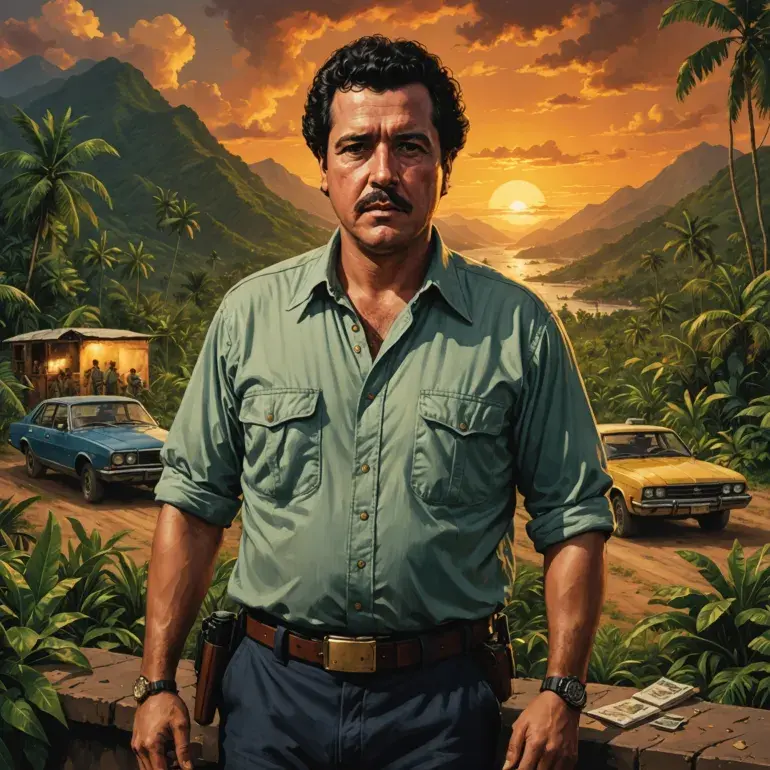
Authored by rosecasinos.net, 24/12/2025
The Enduring Grip of Pablo Escobar on Crime Media
It’s no secret that few figures in the annals of narco history have cast as long and dark a shadow as Pablo Escobar. More than two decades after his violent death, Escobar’s life story continues to captivate audiences worldwide, feeding an insatiable appetite for stories that blend crime, power, and human complexity. Whether through gritty documentaries, high-octane series, or feature films, the figure of Escobar has become a symbol — not just of Colombia’s turbulent past, but of the broader allure and dangers of the drug trade.
But why does Pablo Escobar’s story remain so magnetic in the realm of crime media? The answer lies in the paradox he represents: a man who was simultaneously a ruthless kingpin and a folk hero, a destroyer and a provider. This duality creates a narrative tension that filmmakers and series creators are eager to explore, drawing viewers into a world where morality is murky and consequences are brutal. Interestingly, this fascination parallels the thrill many find in live betting on football, where every moment can dramatically shift the stakes, much like the unpredictable twists in Escobar’s life and legacy.
Why Pablo Escobar’s Story Continues to Dominate Our Screens
Stories of crime and power have always held a magnetic pull, but Escobar’s saga stands apart because it encapsulates the extremes of human ambition and the devastating costs of illicit empires. The narco history surrounding Escobar isn’t just about drug trafficking; it’s a microcosm of societal upheaval, political corruption, and the relentless pursuit of control. This complexity offers rich material for storytellers eager to delve beneath sensational headlines and explore the human dimensions of this infamous figure.
Moreover, the audience’s fascination is fueled by an evolving media landscape that thrives on serialized storytelling and immersive experiences. From Netflix’s acclaimed “Narcos” series to numerous films and documentaries, each portrayal adds layers to the mythos of Escobar, inviting viewers to question what they know and to empathize — however uneasily — with characters caught in the narco web.
In this article, we’ll journey through the enduring legacy of Pablo Escobar in crime media, examining how his life continues to inspire creators and captivate viewers. We’ll explore the narrative techniques that bring his story to life, the ethical debates sparked by glamorizing such figures, and the cultural ripple effects that keep Escobar’s shadow looming large. If you’ve ever wondered why Escobar’s name still echoes in popular culture and how media shapes our perception of narco history, you’re in the right place.
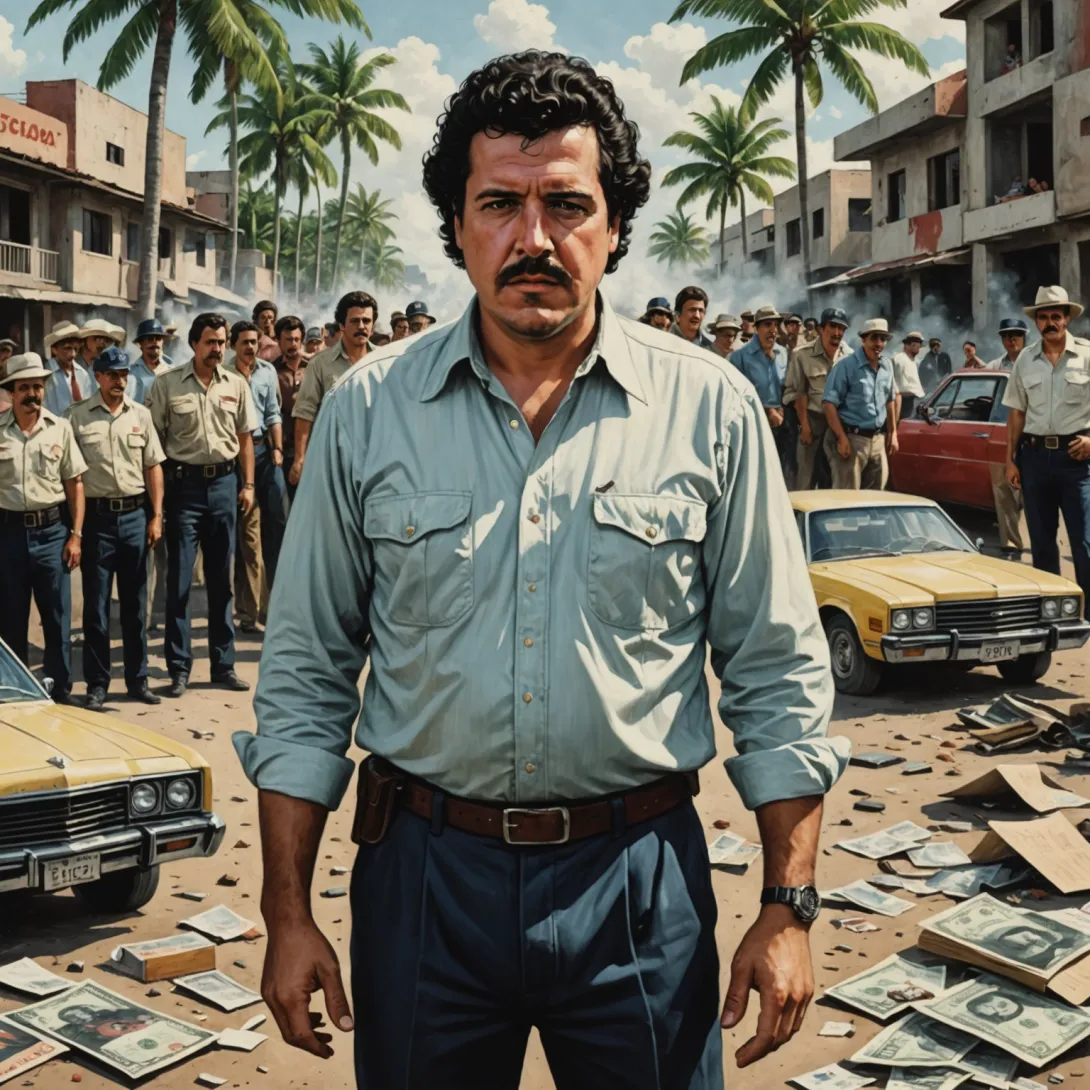
Pablo Escobar’s Shadow: Exploring the Narco Legacy in Media
Why Does Pablo Escobar’s Life Continue to Fascinate Audiences in Films and Series?
Pablo Escobar remains one of the most notorious figures in narco history, and his story continues to captivate global audiences through crime media such as films, documentaries, and television series. The fascination largely stems from the complex duality of his persona: he was both a ruthless drug lord responsible for immense violence and a figure who, in some communities, was seen as a Robin Hood-like benefactor. This complexity offers rich narrative material that appeals to viewers’ curiosity about the criminal underworld and the socio-political dynamics of Colombia during Escobar’s reign.
Moreover, Escobar’s life story provides a dramatic framework filled with power struggles, family drama, law enforcement pursuit, and the impact of the international drug trade, all of which translate well into compelling storytelling. The global drug epidemic’s influence on modern societies also makes these narratives relevant and timely, allowing audiences to explore the origins and consequences of narcotics trafficking through a historical lens.
How Has Narco History Shaped the Portrayal of Pablo Escobar in Media?
Narco history—the chronicle of drug trafficking and its socio-political impact—has been pivotal in shaping how Pablo Escobar is portrayed in crime media. Escobar’s life is often depicted as emblematic of the broader issues surrounding the narcotics trade, including corruption, violence, and the struggle between law enforcement and criminal enterprises.
Media creators often rely on extensive research into narco history to provide authentic representations of Escobar’s operations, alliances, and the socio-economic conditions that facilitated his rise. For example, the hit Netflix series Narcos integrates real historical events and figures to create an immersive narrative that educates viewers about Colombia’s drug war era while maintaining dramatic tension.
Understanding narco history allows audiences to grasp the systemic factors—such as poverty, political instability, and international demand for cocaine—that enabled Escobar’s empire. This depth enriches the storytelling and prevents the glorification of crime by highlighting its devastating societal consequences.
What Role Does Crime Media Play in Shaping Public Perception of Pablo Escobar?
Crime media serves as a powerful vehicle for shaping public perceptions of figures like Pablo Escobar. Through films, series, and documentaries, audiences gain insight into the operational complexities and human dimensions behind headlines. However, crime media also runs the risk of glamorizing or oversimplifying these individuals, which can distort public understanding.
Many crime media productions strive to balance entertainment with factual accuracy, often consulting historians, law enforcement experts, and survivors to present nuanced portrayals. For instance:
- Films: Movies like Escobar: Paradise Lost explore personal and emotional aspects of Escobar’s life rather than just focusing on his criminal activities.
- Documentaries: Productions such as The Two Escobars provide critical analysis of Escobar’s impact on Colombian society and sports culture.
- TV Series: Series like Narcos blend dramatization with real events to offer a comprehensive view of the drug war’s complexity.
By engaging with these varied formats, viewers can understand both the human cost and the broader implications of the narco trade, which remains a pressing global issue.
What Are the Ethical Considerations in Depicting Pablo Escobar and Narco History in Media?
Depicting Pablo Escobar and narco history in media involves significant ethical considerations. Since Escobar’s actions led to widespread violence, loss of life, and societal disruption, creators must navigate the fine line between telling a gripping story and avoiding the glorification of criminality.
Key ethical points include:
- Respect for Victims: Portrayals should acknowledge the suffering caused by Escobar’s cartel, including innocent civilians and law enforcement casualties.
- Avoiding Mythologizing: While Escobar’s life is dramatic, media should avoid romanticizing his persona or presenting him solely as an anti-hero.
- Contextual Accuracy: Providing historical and socio-political context helps audiences understand the systemic issues behind Escobar’s rise rather than attributing it to individual evil alone.
Responsible storytelling enhances the educational value of crime media and fosters informed discussions about narco history and its ongoing ramifications.
How Can Understanding Pablo Escobar’s Legacy Help Address Contemporary Issues in the Drug Trade?
By studying Pablo Escobar’s legacy through media and narco history, policymakers, law enforcement, and the public gain valuable insights into the mechanisms that sustain the drug trade. Escobar’s era highlights the interplay between demand, supply, political corruption, and socio-economic inequality—all factors still relevant in today’s drug-related challenges.
Understanding this legacy can inform strategies such as:
- Targeting the financial networks that underpin drug trafficking organizations.
- Addressing root causes like poverty and lack of education to reduce recruitment into narcotics trade.
- Enhancing international cooperation to combat cross-border trafficking.
- Developing media literacy programs that critically analyze crime media portrayals to prevent misinformation.
In essence, Pablo Escobar’s shadow in media is more than entertainment—it is a lens through which society can examine and learn from the complexities of narco history and its enduring impact on global crime and policy.